
Why Gray Hair Appears
Gray hair isn't actually white: it's hair where the melanocytes, the pigment cells located at the base of the follicle, no longer produce enough melanin. This slowdown is mainly linked to age, but genetics, certain deficiencies (especially vitamin B12), or oxidative stress factors can influence when it occurs. Contrary to popular belief, plucking a gray hair doesn't make more appear: each follicle produces a single hair, independently of its neighbors. Once this mechanism is understood, the question of color remains, and there are several ways to naturally cover gray hair depending on the desired result.

Why Consider an Alternative to Classic Hair Dyes
Permanent hair dyes open the hair cuticle, using ammonia or alkaline agents, to fix oxidation pigments. The process is effective and the color lasts a long time, but repeated use can dry out the hair fiber and sensitize the scalp. Certain components, such as paraphenylenediamine (PPD), are among the substances most likely to cause allergic contact reactions, which is why manufacturers recommend a sensitivity test before each application. Many people simply want to reduce the number of synthetic products applied to their hair. It is in this search for gentler options that plant-based alternatives come into play.
.
Available Natural Options
Natural options aren't limited to henna. Plant-based hair dye, made from henna and other tinting plants, remains the most covering option. Temporary repigmenting treatments, on the other hand, deposit a pigment on the surface that fades with washing, allowing you to test a shade without a long-term commitment. Plant rinses offer a third path: chamomile to lighten, sage or rosemary to darken, walnut husk for browns. Their effect remains gradual and subtle, more suitable for toning gray hair than for completely masking it.
How Plant-Based Hair Dye Works
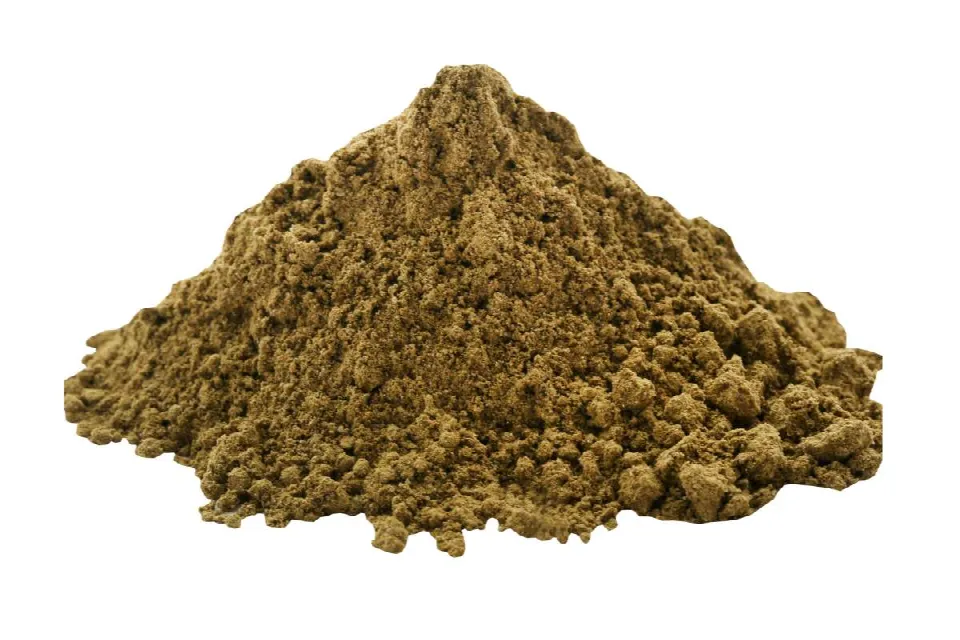
Plant-based hair dye operates on a different principle than chemical dyes. The pigment from plants, such as henna (Lawsonia inermis), indigo (Indigofera tinctoria), madder, or walnut husk, does not penetrate the core of the hair: it deposits around the fiber and envelops it. The color is thus built up in successive layers, and this deposit coats the hair, which often appears thicker and shinier. The result is generally more nuanced and natural than with a permanent dye. On the other hand, plant pigment cannot lighten hair: it only adds color, never removes it.
Precautions and Points of Vigilance
A few precautions allow you to approach plant-based hair dye with peace of mind. First, it's important to distinguish between 100% plant-based powders and products sold as "hennas" but containing metallic salts or synthetic dyes: these can react unpredictably with subsequent chemical hair dye. For this reason, professionals generally advise against alternating plant-based and oxidation dyes on the same hair without precaution. A sensitivity test 48 hours before application is still recommended, even with natural products, as indigo and certain plants can occasionally cause reactions. In case of doubt, especially on chemically colored or bleached hair, the advice of a colorist trained in plant-based dyes is invaluable.
Maintenance and Frequency
Plant-based hair dye requires a certain regularity. Since the pigment remains on the surface, it fades gradually, and roots generally need a touch-up every four to six weeks, depending on the growth rate and the proportion of gray hair. It's possible to touch up only the roots between two full applications. To preserve color retention, using gentle, sulfate-free shampoos is recommended. Finally, note that the shade continues to darken for two to three days after application, as the plant pigments fully oxidize upon contact with air: it's best to judge the final result after this period rather than immediately after leaving the bathroom.
Covering gray hair doesn't necessarily require chemical dye. Between plant-based hair dye, repigmenting treatments, and plant rinses, natural alternatives offer several possibilities, to be adapted according to the desired result, accepted maintenance frequency, and individual sensitivity. Plant-based hair dye stands out for its dual action: it colors while caring for the hair fiber, provided you accept a result that builds over time and respect a few basic precautions.
This article is for informational purposes only. It does not replace the advice of a hairdresser-colorist or dermatologist, especially in cases of sensitive scalp, chemically colored hair, or a history of allergies.